
Fugu Fridays to Fugu Everyday: How Ghana’s Smock Is Taking Over the Fashion World
Fugu Fridays to Fugu Everyday: How Ghana’s Smock Is Taking Over the Fashion World
Fugu, also called batakari, has moved from proud northern Ghanaian heritage wear to a national style signal: authentic, handmade, versatile, and unmistakably Ghanaian. What began for many as Fugu Fridays is becoming Fugu everyday, especially after Ghana’s government designated Wednesdays as Fugu Day in February 2026 to promote indigenous fashion, local weaving, and cultural confidence.
The roots: a cloth with authority
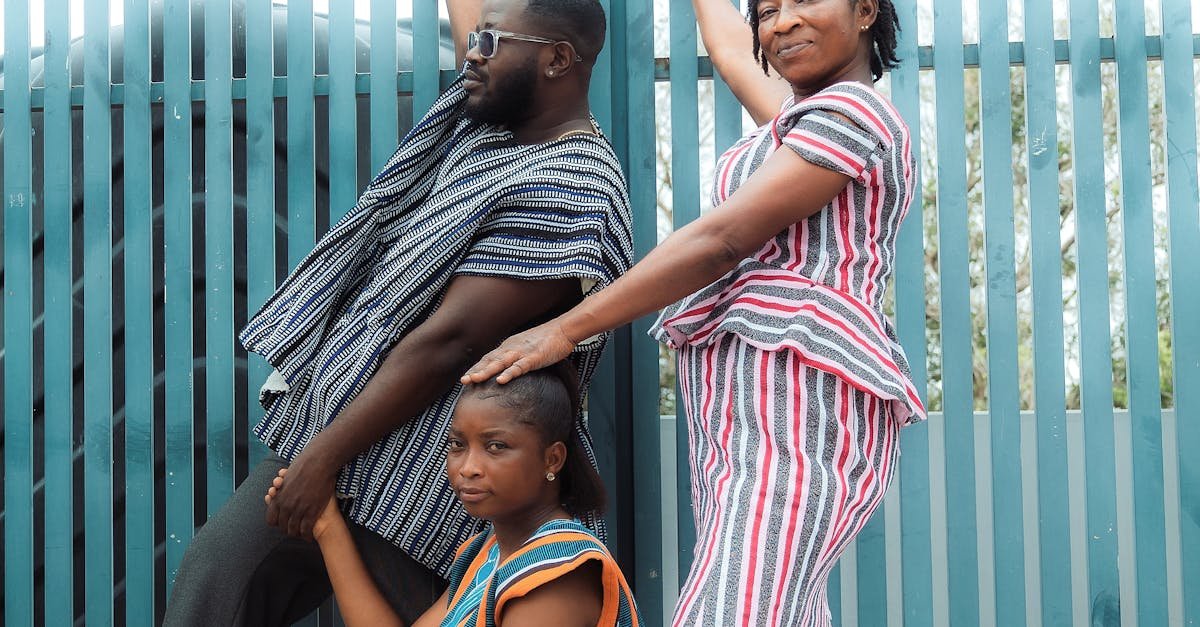
Traditionally associated with northern Ghana, the Fugu is made from narrow strips of handwoven cotton, joined into a roomy smock with bold lines, texture, and movement. It has been worn by chiefs, elders, warriors, politicians, performers, and ordinary people who understood clothing as identity, not decoration. Its beauty sits in the weave: patient hands, local skill, and patterns that carry place, status, celebration, and memory.
Why Fugu Day matters
Fugu Day gives the movement official rhythm. By encouraging citizens to wear Fugu every Wednesday, the policy turns culture into visible commerce: tailors receive orders, weavers gain attention, photographers capture new looks, and workplaces become runways of heritage. For fashion-conscious Ghanaians, it is not a costume day. It is a weekly reminder that modern style can start at home.
From Friday tradition to everyday confidence
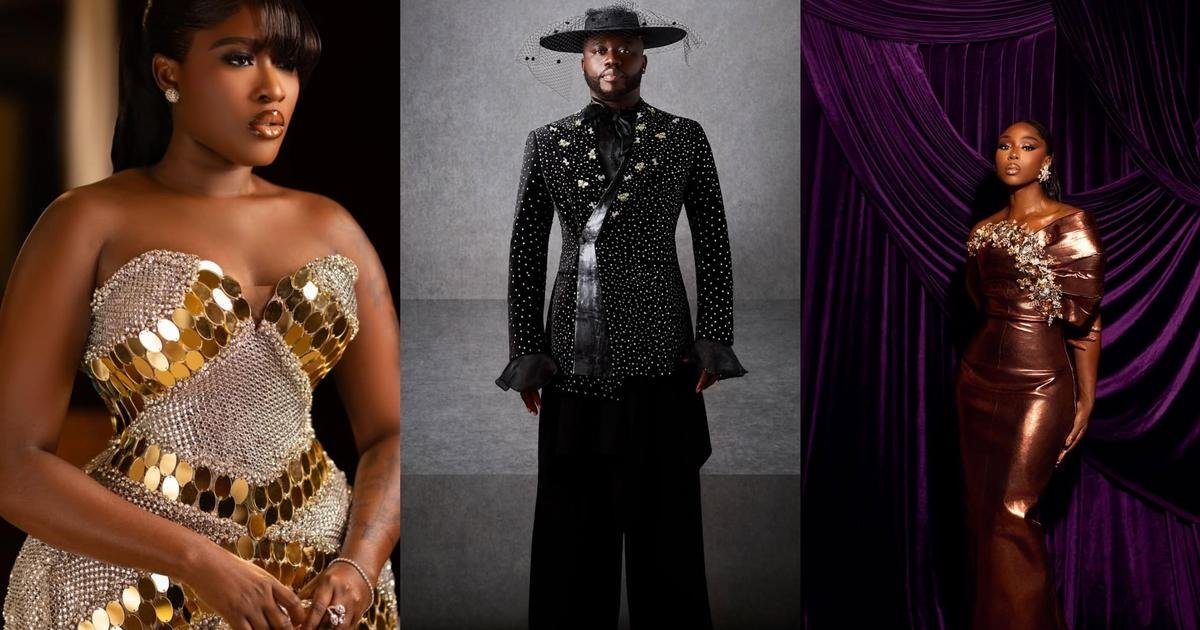
Across Accra, Kumasi, Tamale, Cape Coast, London, New York, and Toronto, young Ghanaians are remixing the smock with denim, sneakers, silk scarves, loafers, wide-leg trousers, and statement jewellery. Celebrities and creatives have helped by wearing Fugu on stages, red carpets, music videos, interviews, and airport runs. The message is clear: the smock can be regal, relaxed, streetwise, or sharply corporate.
How to style Fugu for every occasion
Office
Choose a neatly cut smock in restrained stripes, then add pressed trousers, loafers, minimal jewellery, and a leather bag. For formal offices, keep the palette calm and let the weave provide the personality.
Casual
For weekends, wear Fugu with jeans, cargo trousers, trainers, sandals, or layered beads. Roll the sleeves, open the neckline, and allow the texture to feel easy, youthful, and personal.
Events
For weddings, festivals, launches, or dinner, choose richer colours and finer finishing. Women can belt a longer smock as a dress; men can add tailored trousers and polished shoes.
Buying well: what to look for
Good Fugu has character. Look for strong seams, even strip joins, comfortable arm movement, and colours that suit your wardrobe. Ask about the weaving community, fabric care, and whether alterations are possible. Because many pieces are handmade, small variations are not flaws; they are part of the charm. If you are ordering online, confirm measurements for chest, shoulder, length, and sleeve before paying.
Why the world is watching
International attention is growing because Fugu offers what global fashion keeps searching for: authenticity with design strength. The fabric photographs beautifully, layers easily across seasons, and tells a story without needing a logo. Diaspora communities wear it at independence celebrations, graduations, cultural nights, church services, and creative industry gatherings, turning personal outfits into soft power. When a Ghanaian in the diaspora wears Fugu, the garment becomes both memory and introduction.
Wearing pride without losing personal style
The best Fugu looks are not forced. They respect the garment while reflecting the wearer. Choose colours that flatter your skin, accessories that mean something, and proportions that match your day. A smock over a white shirt can feel crisp; over a turtleneck, sophisticated; with shorts, playful. Pride becomes powerful when it is lived comfortably.
Make Fugu your signature
Start this Wednesday, then keep going. Buy thoughtfully, style boldly, and let Ghana’s smock speak for heritage and enterprise.
Wear it proudly every day