Eco-Tourism in Ghana: Exploring National Parks and Wildlife
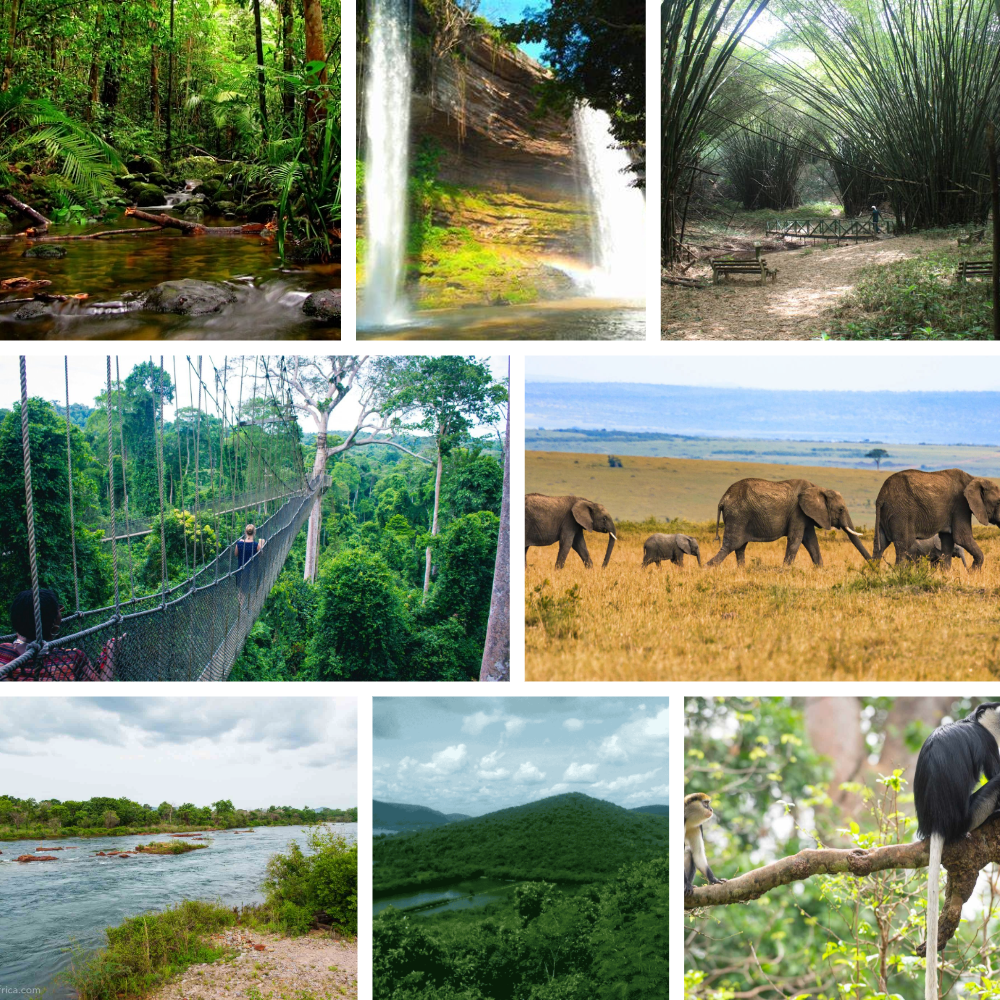
Ghana is a prominent destination for eco-tourism, effectively integrating the preservation of its rich biodiversity within national parks with sustainable wildlife conservation initiatives. The nation’s strategy promotes responsible travel that benefits both the environment and local communities.
More than 5% of Ghana’s land area is designated as protected, encompassing 16 national parks and various other conservation zones. These areas safeguard diverse ecosystems, including savannas, wetlands, and tropical rainforests, and are home to a wide array of wildlife, from elephants and monkeys to marine turtles and numerous bird species. The country’s eco-tourism sector is dedicated to preserving these natural habitats and fostering community development through sustainable practices.
Kakum National Park
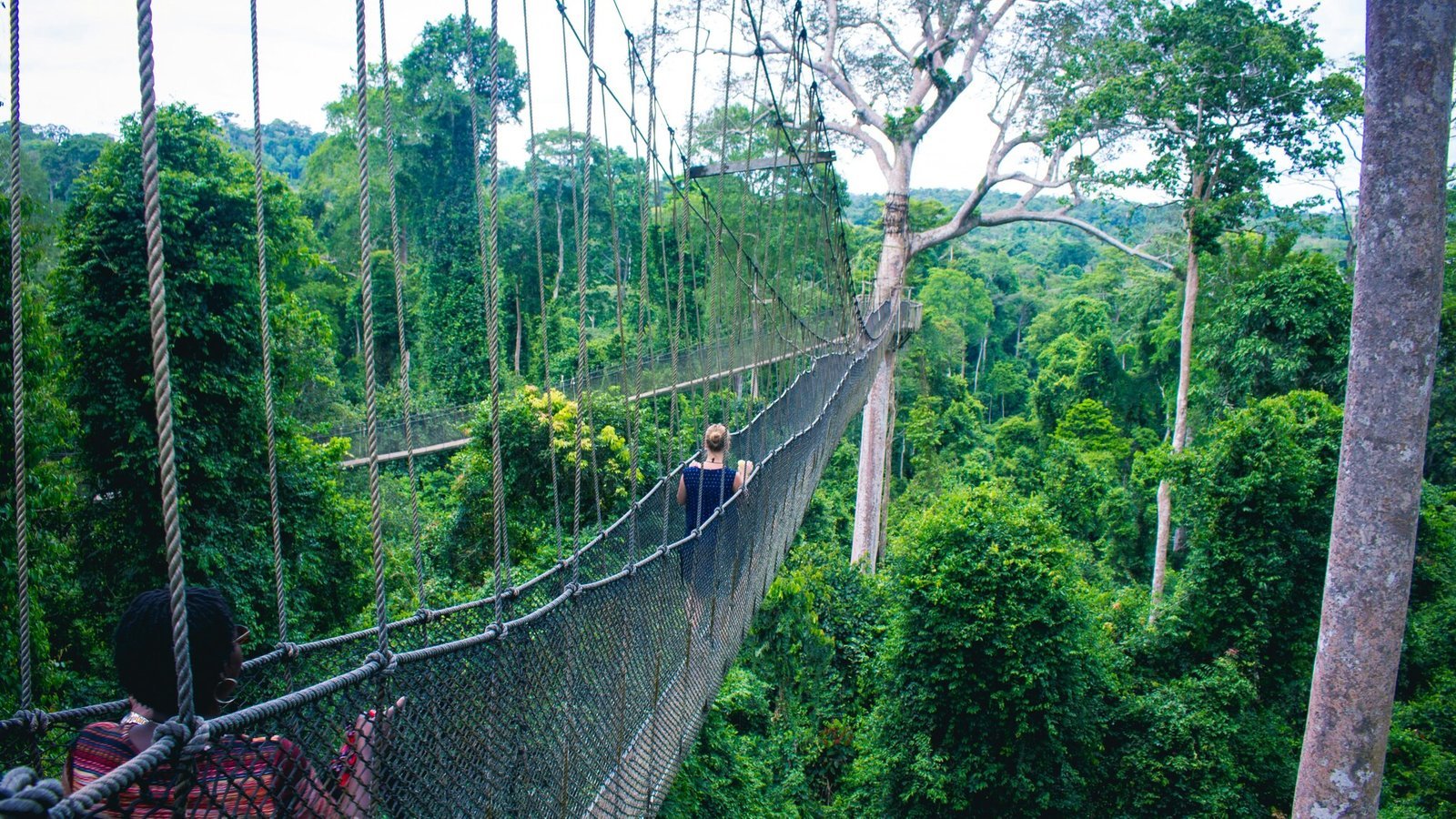
Located in the Central Region, this tropical rainforest is renowned for its iconic canopy walkway, offering visitors an unparalleled aerial view of the forest ecosystem. It is a biodiversity hotspot, housing over 40 mammal species (including forest elephants and various duikers) and more than 300 bird species. The park actively engages in reforestation and environmental education programs.
Mole National Park
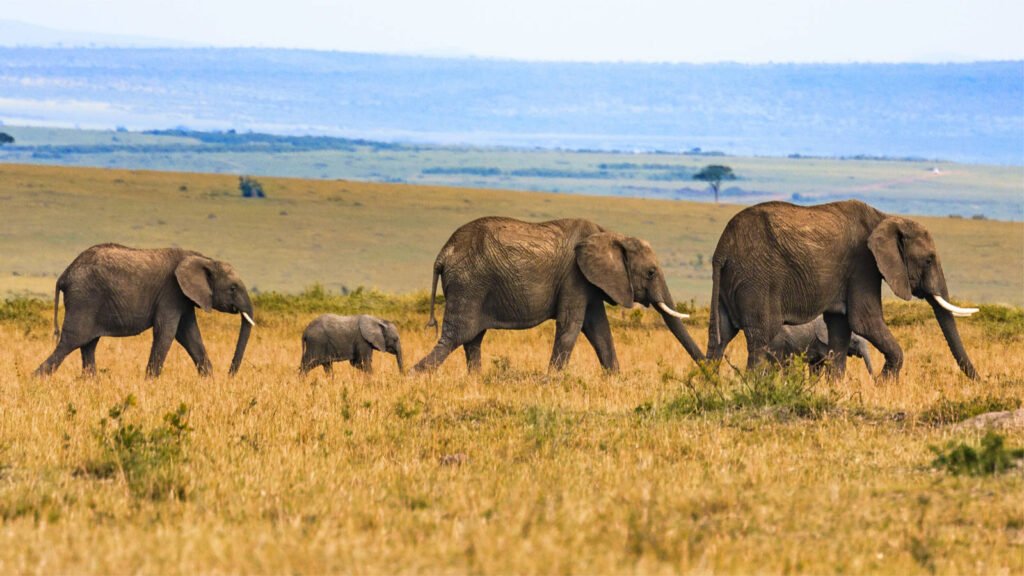
Situated in the northern savannah, Mole is Ghana’s premier eco-tourism hub. Spanning over 4,840 square kilometers, it is a sanctuary for more than 90 mammal species, including a significant population of elephants, buffalo, roan, kob, hartebeest, waterbuck, and four primate species. Predators such as lions, leopards, and hyenas are also present, alongside over 300 bird species. The park is crucial for elephant conservation and offers guided safari experiences.
Ankasa Conservation Area
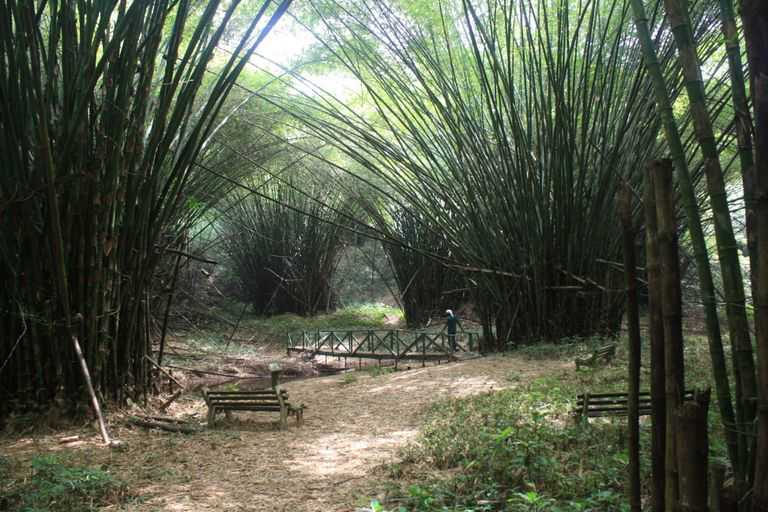
Venture to the far western Ghana, where the Ankasa Conservation Area unfolds like a page from an explorer’s diary—a sprawling 500 square kilometers of untouched lowland rainforest that feels like stepping into Jurassic Park, minus the dinosaurs (but with plenty of monkeys). Straddling the border with Côte d’Ivoire in the Western Region, this protected haven was established in 1991 to safeguard one of West Africa’s last intact tropical forests. About 5 hours from Takoradi or a quick hop from Axim, Ankasa beckons the intrepid with its emerald canopy, hidden waterfalls, and the distant hum of howler monkeys— a perfect antidote to the concrete jungle of Accra.
Bia National Park
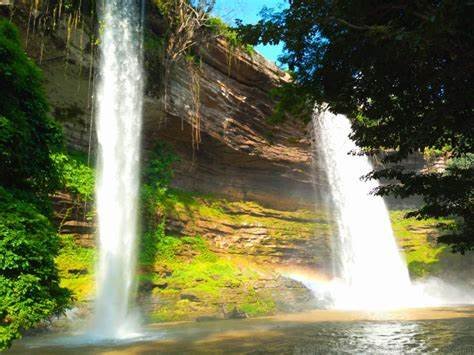
Deep in the lush, mist-shrouded southwest corner of Ghana lies Bia National Park, a verdant jewel of the Western Region that’s often called the “last stand” of West Africa’s ancient rainforests. Established in 1974 and sprawling across 78 square kilometers of pristine lowland evergreen forest, Bia is a UNESCO-recognized biosphere reserve and a sanctuary for some of the planet’s most endangered species. Just a stone’s throw from the Côte d’Ivoire border and about 4 hours west of Takoradi, it’s an ideal retreat for eco-warriors and serenity seekers looking to immerse themselves in untamed nature—far from the gold mines and cocoa farms that define much of the region.
Digya National Park
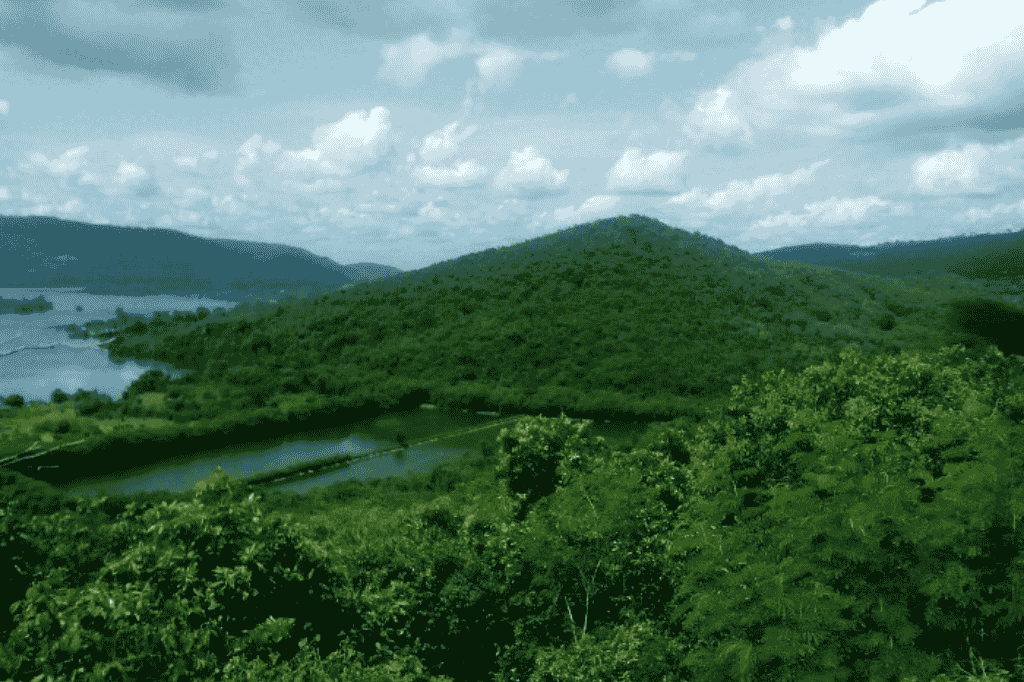
Tucked away in the northern reaches of Ghana’s Volta Region, Digya National Park emerges as one of the country’s most remote and rewarding natural escapes. Established in 1975 and covering a vast 3,478 square kilometers—making it Ghana’s largest national park—this savanna-dominated gem straddles the eastern bank of Lake Volta, Africa’s largest man-made reservoir. If you’re craving an off-the-beaten-path adventure where the horizon stretches endlessly and wildlife roams free, Digya is calling your name. It’s a far cry from the coastal buzz of Accra, promising solitude, starry nights, and the thrill of Africa’s wild heart.
Atewa Range Forest Reserve
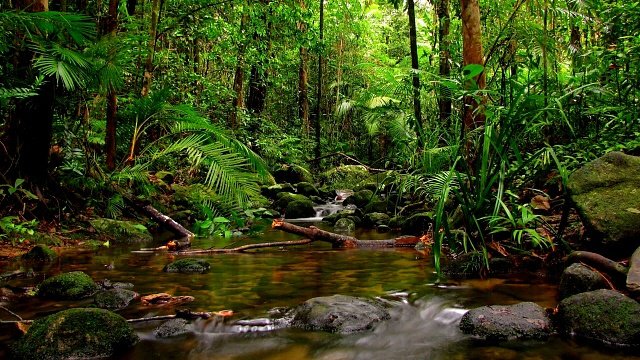
Nestled in the Eastern Region of Ghana, the Atewa Range Forest Reserve stands as a breathtaking testament to the country’s rich biodiversity and untamed natural beauty. Spanning over 230 square kilometers, this upland evergreen forest reserve is more than just a protected area—it’s a vital ecological lifeline and an adventurer’s paradise. If you’re seeking a break from the bustling streets of Accra (just a 1.5-hour drive away), Atewa offers misty hills, cascading waterfalls, and a symphony of wildlife that feels worlds away from urban hustle.
Wechiau Hippo Sanctuary
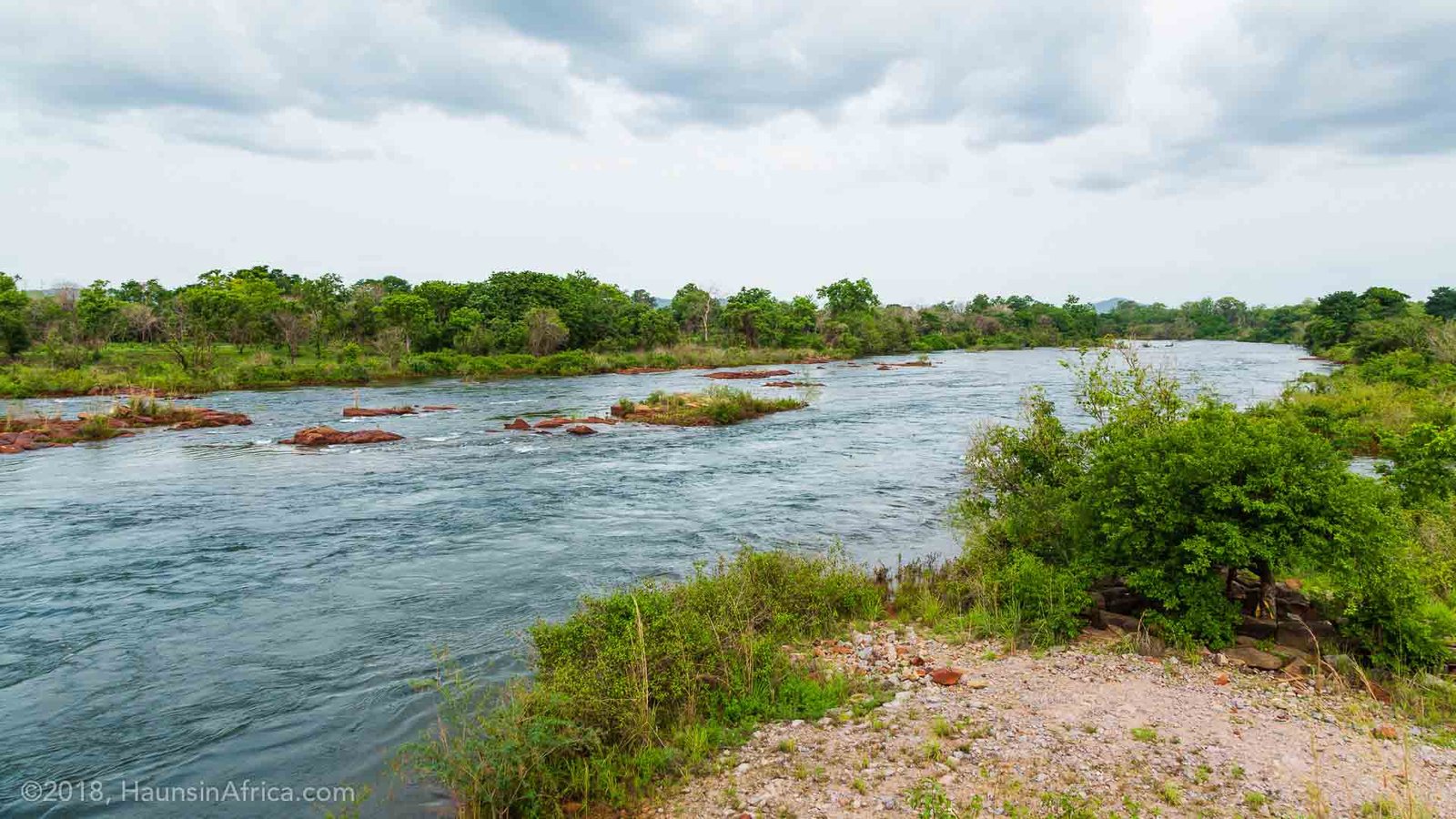
Perched on the sun-baked banks of the Black Volta River in Ghana’s Upper West Region, the Wechiau Hippo Sanctuary is a shimmering slice of serenity where ancient waters meet modern conservation. Established in 1999 as a community-led initiative, this 153-square-kilometre haven protects a pod of over 30 Nile hippos while weaving in eco-tourism that empowers local villages. Tucked away near the town of Wechiau—about a 10-hour drive northwest from Accra or a flight to Wa—it’s a hidden highlight for wildlife lovers, offering lazy river cruises and cultural immersion in the heart of savanna country.
Boabeng-Fiema Monkey Sanctuary
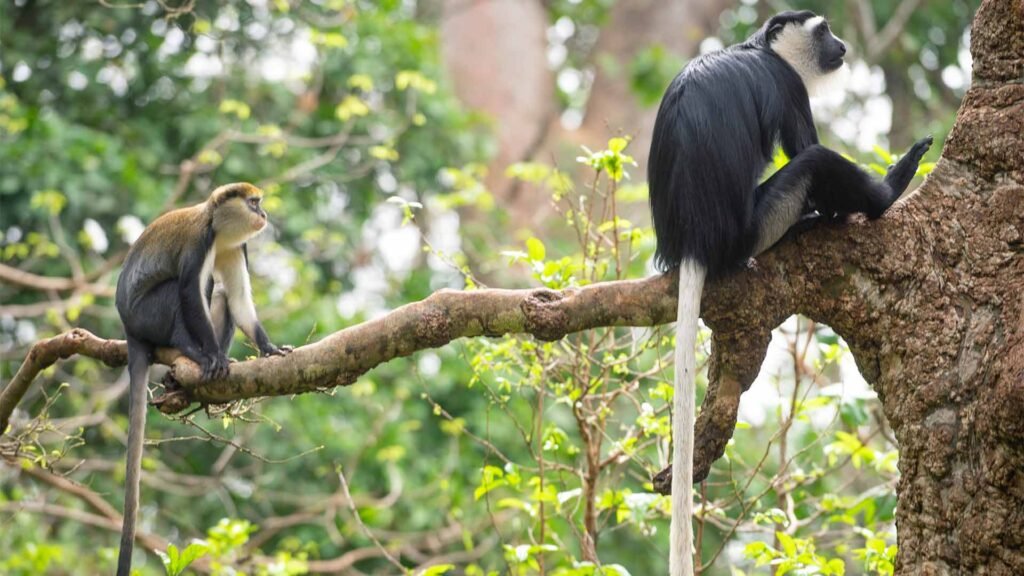
In the heart of Ghana’s Bono East Region, between the twin villages of Boabeng and Fiema, lies a living legend of harmony: the Boabeng-Fiema Monkey Sanctuary. This compact 4.4-square-kilometer forest patch—Ghana’s premier example of traditional conservation—blends ancient taboos with vibrant wildlife, allowing visitors to witness over 700 monkeys coexisting peacefully with humans. Just 22 kilometers from Nkoranza and a 4-hour drive from Kumasi, it’s an effortless day trip that packs a punch of wonder, perfect for families, photographers, or anyone curious about how culture guards nature.
Controversies and Challenges: Ghana’s eco-tourism sector faces challenges such as balancing tourist numbers with the imperative of habitat preservation, improving existing infrastructure, and combating persistent threats like poaching and habitat degradation.