Ghana Parliament Passes Anti-LGBTQ Bill – Now Awaits Mahama’s Signature
Ghana’s Parliament Has Spoken — But All Eyes Are on Mahama
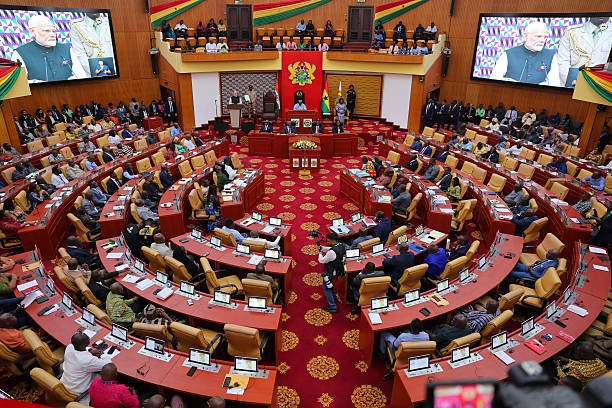
Ghana’s Parliament passed the Human Sexual Rights and Family Values Bill on May 29, 2026 — one of Africa’s toughest pieces of anti-LGBTQ legislation. The bill now sits on President John Dramani Mahama’s desk, awaiting his signature before it becomes law.
The legislation imposes prison sentences of up to three years for individuals who identify as or engage in LGBTQ acts, and up to ten years for anyone found guilty of promoting, sponsoring, or funding LGBTQ activities. It also targets gender-affirming healthcare and bans any form of public advocacy for non-conventional sexual relations.
What the Bill Actually Says
The bill goes significantly further than Ghana’s existing colonial-era laws, which already criminalise same-sex acts — though no known prosecutions have occurred under those provisions in recent years. Under the new legislation, the definition of “promotion” is broad enough to potentially cover social media posts, journalism, or NGO work related to LGBTQ issues.
Strong Support From Religious Leaders
The bill has received overwhelming backing from Ghana’s powerful religious establishment. The Catholic Bishops’ Conference, the Christian Council of Ghana, and the National Chief Imam have all publicly supported the legislation, arguing it protects Ghanaian family values and cultural identity. The bill sailed through Parliament with near-unanimous backing from both the ruling NDC and the opposition NPP.
Human Rights Groups Condemn the Bill
International human rights organisations have reacted with sharp condemnation. Human Rights Watch warned the bill would further marginalise an already vulnerable population and called on President Mahama to refuse assent. The Commission on Human Rights and Administrative Justice (CHRAJ) also raised concerns, stating the bill infringes on fundamental constitutional freedoms. Several Western governments have urged Ghana to reconsider, warning the legislation could affect foreign aid and investment.
Will Mahama Sign It?
That is the big question gripping Ghana right now. President Mahama has previously indicated support for the principle of the legislation, but analysts are divided on whether he will act quickly or delay to manage diplomatic fallout. A previous version of the bill lapsed in 2024 when then-President Akufo-Addo refused to sign it. This time, with Parliament unified and public sentiment firmly behind the bill, it appears closer than ever to becoming law.
Whatever Mahama decides, it will define a significant chapter of his presidency. BizGH News will continue to follow this story closely.